
If you tuned into last week’s blog post, you’ll have seen us discuss the importance of defining your audience before beginning to write your book. We touched on the different age groups you might appeal to and gave a brief explanation of the expectations for each group. This week, we’ll give you some more in-depth tips on how to write for children and young adult age groups.
First, while the writing style for children’s’ books is generally simpler and easier to understand than writing for adults, there are still key differences between groups within the younger demographic:
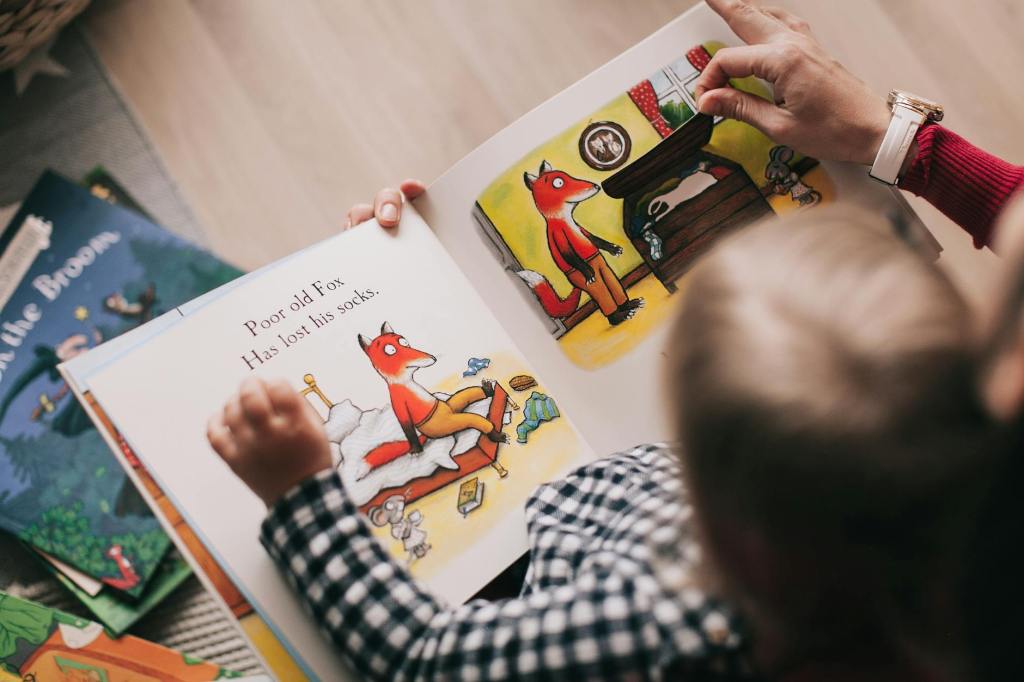
First, young children, from infants to toddlers (0-4), will primarily be read to, and therefore need picture books to keep their attention. They’ll need extremely simple writing with short words that they can begin to recognize as they learn to read. They should mostly contain words of things the children already know, such as household pets, family members, or colors. Also, aim to keep the books pretty short, around 300-400 words, to keep the kids’ attention spans. They’ll also need vivid pictures, so if you’re not an artist, be sure to consider reaching out to one.
Second, early elementary school (ages 4-8) writers should be geared to help children begin to read on their own. Therefore, they should still use simple words but can be longer and have more sentences. They can also have accompanying images, but they shouldn’t be the primary focus of the novel. Early elementary books can have chapters, but they should remain on the shorter side, and the book itself shouldn’t be much longer than 1,500 words.
Third, late elementary school (ages 8-12) writing should use more complex writing and introduce concrete themes such as the importance of friendship, bravery, or kindness. They might start including more compound sentences, character development, and descriptive language. These books can start leaning into hitting the beats of specific genres, such as fantasy or mystery. These novels should still be easy to follow and maintain a straightforward plotline. They can also be quite a bit longer, ranging from 10,000 to 50,000 words.
Finally, young adult books (ages 12-18) should introduce deeper, more mature themes such as emotional development, coming of age, or overcoming personal problems. The language should also be more developed and use bigger words and complex sentences. These books can also include more complex plot lines and full-blown character arcs. These novels can take longer to develop the world, character, and multi-layered plots, sitting anywhere from 50,000 to 100,000 words.
Overall, writing for a younger audience requires understanding the developmental needs of your audience and the kinds of stories they want to read. Whether you’re writing for young children or teenagers, staying true to the emotional experiences of your characters while staying aware of your readers’ perspectives will ensure that your stories leave a lasting impact.

Leave a comment