
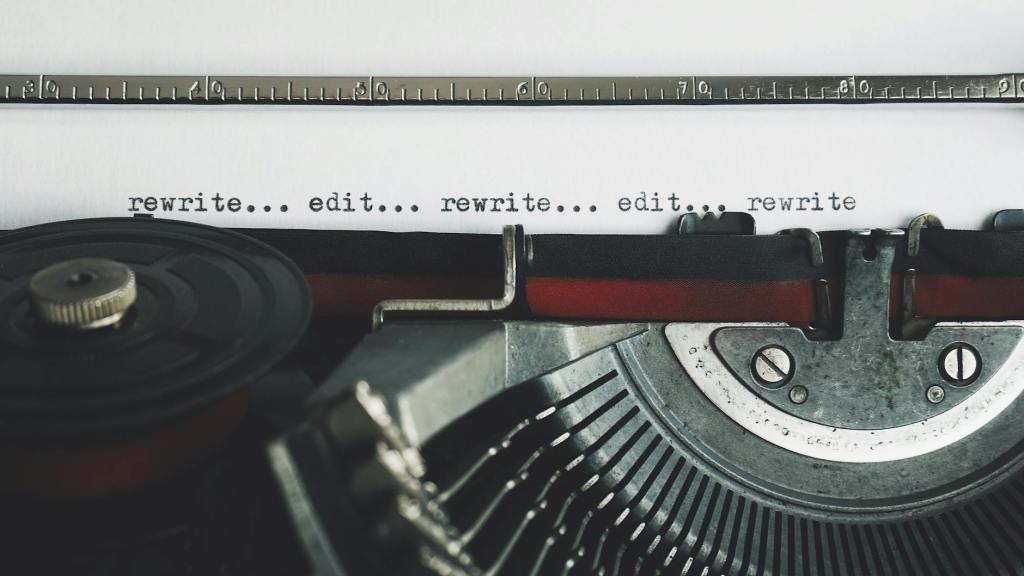
When creating any type of writing, whether that be fiction, non-fiction, technical, or academic, the first draft is not going to be perfect, no matter how much every writer hopes theirs is. You’ll more than likely go through a few drafts before you begin to feel satisfied with the quality of your work. A lot of writers receive outside help with editing, but knowing how to self-edit is just as important.
Once you finally finish that coveted first draft, it can be daunting to think about picking it right back up. Therefore, you should definitely take some space from it as needed. You can set it aside for a day or two, then come back to it with fresher eyes. I’ve found it helpful to create a whole other copy of my first draft in a new document, and even change the font size/style to trick my brain into thinking I’m looking at something brand new. Whatever works for you is the best way to go.
The first official step in self-editing should be to choose a style guide to follow, especially if you’re writing in hopes of professional publication. For example, the Chicago Manual of Style is the most commonly used style in novel publication, while the AP Style is often found in journalism and news writing. There’s not really a wrong choiceof style, you’ll just want to research which style best compliments your writing. Regardless of any intent to publish, choosing a guide can be a great way to maintain stylistic consistency and a crucial resource to consult for ensuring you’re on track for a comprehensive grammar editing experience.
After selecting a style, a good starting point is to simply re-read your draft and be ready to fix grammar mistakes. Grammarly can be a great resource for simple mistakes. However, you should be aware that, as of right now, the platform can’t download any style guide rules to its suggestions, so you should also personally read through your writing for any errors.
You can also have a separate document or notebook handy to jot down any “big picture” edits you might notice such as plot inconsistencies, unnatural dialogue, or any experts that may feel out of place. Then, once most of the major cosmetics are fixed, you can consult your notes and tackle the structural aspects of editing.
That said, some writers may find they prefer the reverse order of this process, and that’s totally fine! I personally prefer to lean on the concrete “formula” that grammar edits allow to give my brain a break from the creative aspects of my writing. But, if you’d rather tackle the larger issues first, then go forth and conquer. Whatever process works for you is certainly the best process.

Leave a comment